

Expert Interview:
OEM APIs in 2025
Current status and outlook
How does car sharing factor into the development of OEM API? What can operators get excited for? What are the largest remaining challenges for automating rentals via manufacturer APIs? Read what Valdrin, Product Manager and expert on OEM APIs, shares about this exciting topic. Find out about complexities of standardizing data across vehicle models, the transformative potential of OEM APIs, and why Tesla is the API to look out for in 2025.
Julian Simon: Why are OEMs investing in APIs? Is their primary goal to enable car sharing, or is there a broader strategic purpose behind this effort?
Valdrin Shala: OEMs see APIs as a necessity for several reasons, particularly for fleet-related use cases such as corporate fleets, large-scale rental fleets, and similar operations. These scenarios often require robust data for effective fleet management.
For instance, APIs allow monitoring of crucial parameters like service schedules, fluid levels, brake pad conditions, and other metrics necessary to ensure vehicles remain operational and safe — especially for employee-driven fleets. While car sharing applications are a consideration, they are currently a niche interest for OEMs compared to broader fleet management priorities or private consumer business.
Julian Simon: You already mentioned data. What data is generally accessible through OEM APIs and how does it compare to what you can get over the OBD port or CAN bus?
Valdrin Shala: The available data largely depends on the specific OEM and vehicle model. However, some common data points are typically accessible across most APIs, such as mileage, fuel level, state of charge for EVs, vehicle location, and ignition status.
Maintenance-related data, like service due dates or dashboard warning alerts, is more variable. Some OEMs offer it, while others might not, or the data quality might differ significantly.
When comparing OEM APIs to OBD or CAN bus systems, the overlap is substantial. Generally, data available through OBD can also be accessed via OEM APIs. However, it can happen that you are able to find data points via OBD or especially CAN that you cannot get via API, because the manufacturer didn’t enable it. The reason for that is that OEMs must standardize and aggregate data across multiple vehicle models and back-end systems to make it available via API. Even within the same vehicle model, small variations like a different infotainment system can create difficulties for standardizing data points.
Julian Simon: So, when OEMs start sharing a data point over API, they want it to be generally available across all of their vehicles?
Valdrin Shala: Yes, the intention is to provide uniform data across all models, but the reality is more complex. Variability in vehicle systems, such as the mentioned different infotainment configurations, can lead to inconsistent data availability. Even within the same vehicle model, one production series might have data points that the same car from another series doesn’t. This creates challenges for operators managing diverse fleets, as capabilities may vary significantly between vehicles.
Julian Simon: In a car-sharing context, I imagine this lack of standardization could frustrate operators.
Valdrin Shala: Absolutely. The complexity arises because OEMs don’t typically provide a clear breakdown of which data points are available for specific vehicle models. Operators may encounter inconsistencies, making it difficult to ensure a seamless customer experience across fleets.
Julian Simon: Are OEMs expanding the range of data available through APIs? Have they unified standards, or is the ecosystem becoming more fragmented?
Valdrin Shala: OEMs are gradually increasing the amount and quality of available data. Historically, their direct relationships with end customers were minimal, as interactions were done for instance by dealerships. Over time, OEMs have gained insights into end-user requirements, especially for fleet managers, and this has driven data improvements. Now, players like INVERS are highlighting the requirements of car sharing to them, which, of course, benefits our customers and the industry as a whole.
However, standardization remains a challenge. OEMs currently operate in silos, using diverse approaches for authentication, authorization, and data structure. While they’re adopting modern development technologies, a unified industry standard is still absent.
Julian Simon: For a car-sharing operator, integrating with OEM APIs sounds like a significant effort. Is it worth the investment, and what use cases does this integration enable?
Valdrin Shala: Today, factory-fitted telematics from OEMs cannot fully replace dedicated car sharing telematics, because they still lack a lot of the basics. For example, high-end managed connectivity services capable of keeping the vehicle online at all times by switching between networks. In car sharing, uninterrupted connectivity is a must.
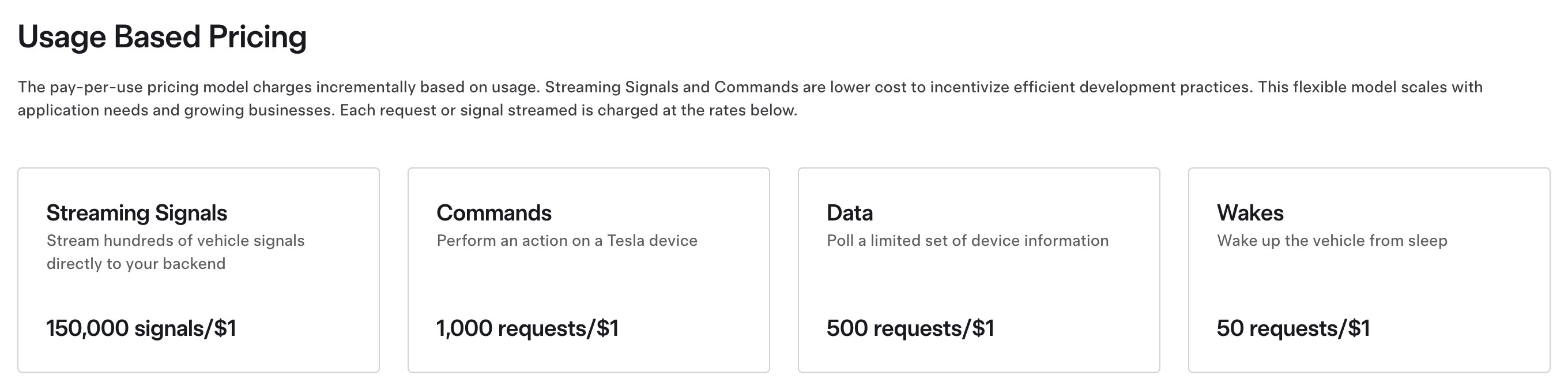
Use cases for OEM APIs include fleet maintenance, like monitoring fuel levels or service schedules, checking end rental conditions, such as verifying the vehicle is returned refueled, and enabling premium features like preheating vehicles. However, comprehensive car sharing capabilities, such as remote locking/unlocking or immobilizer control, are still inconsistent across OEMs. However, there are promising examples. Tesla stands out as a leader in this space, offering robust APIs with fair usage-based pricing.
Julian Simon: Do you observe differences in OEM attitudes towards APIs based on geography, such as European versus North American or Asian manufacturers?
Valdrin Shala: Yes, regional differences exist. European OEMs tend to be more conservative, especially regarding command functionality. Asian OEMs, by contrast, are often more open and flexible, enabling broader access to commands. They provide access and it’s up to the vehicle owner who they share this access with. North American OEMs also show a more pragmatic approach, sometimes adapting their policies for local markets.
Julian Simon: What about pricing? Are OEM APIs cost-effective for car-sharing operators?
Valdrin Shala: Pricing varies widely among OEMs. Premium manufacturers often charge high per-vehicle monthly rates, coupled with account fees, which often outweigh the cost of dedicated car sharing telematics. However, Tesla has set an industry benchmark with its usage-based pricing model, which is both fair and attractive for operators.

Valdrin Shala
Valdrin Shala joined INVERS in 2020 as a Product Manager and is an expert in all things OEM APIs and pre-installed telematics. Since joining, he has been responsible for exploring OEM APIs in the context of car sharing as well as creating products that integrate manufacturer APIs with the INVERS platform. Among other projects, Valdrin led the government-funded creation of a unified standard for OEM telematics and built a car sharing focused aggregator for OEM APIs with his team.
Stay in the know!
Sign up now to receive email updates on the latest shared mobility insights and reports, our quarterly newsletter, or new product announcements.